Building Intelligent Control System: Reshaping the Neural Center of Smart Buildings
2026.04.10
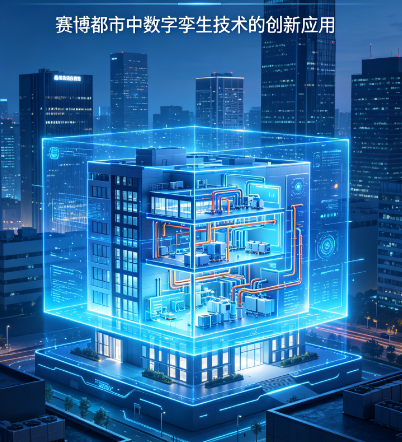
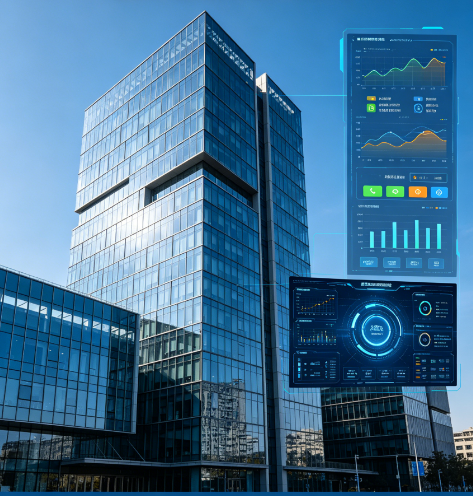
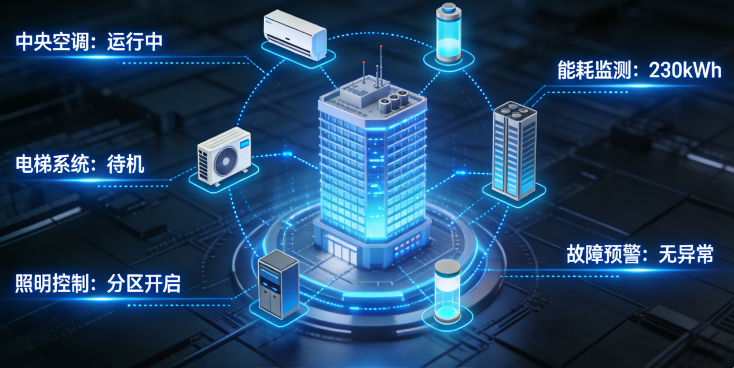
The Building Intelligent Control System (BICS) is a core component of modern smart buildings. Through integrated sensor networks, intelligent algorithms, and automated control devices, it achieves comprehensive sensing and precise regulation of building environment, security, fire protection, and other systems, creating efficient, comfortable, and energy-saving intelligent office and living spaces.
More Detail
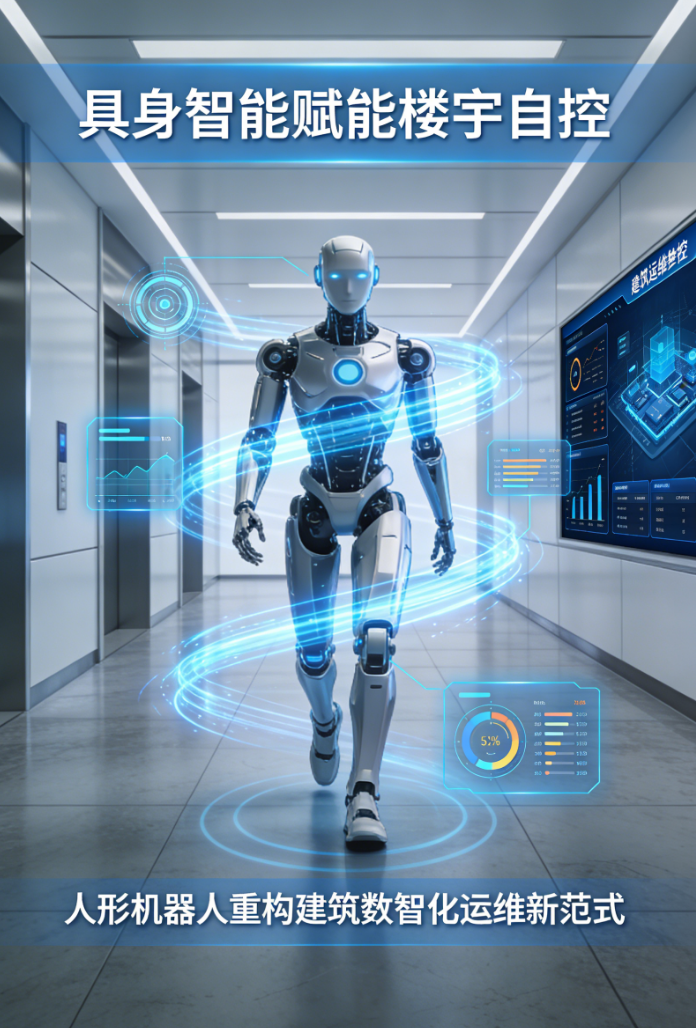
Embodied Intelligence Empowers Building Automation: Humanoid Robots Reconstruct the New Paradigm of Digital and Intelligent Building Operation and Maintenance
2026.04.07
As hot events such as the April Humanoid Robot Ecology Conference and the Robot Half Marathon swept the industry, embodied intelligence is moving from laboratories to real industrial scenarios, bringing disruptive changes to Building Automation Systems (BAS). Traditional building systems rely on fixed sensors and passive control, suffering from pain points such as monitoring blind spots, delayed responses, and extensive operation and maintenance. Through the motion control, multimodal perception, and AI decision-making capabilities of humanoid robots, embodied intelligence upgrades building automation from "static monitoring" to "dynamic interaction", deeply integrating physical entities into the whole process of building operation and maintenance, and becoming a typical application of new quality productivity in the field of smart buildings.
More Detail
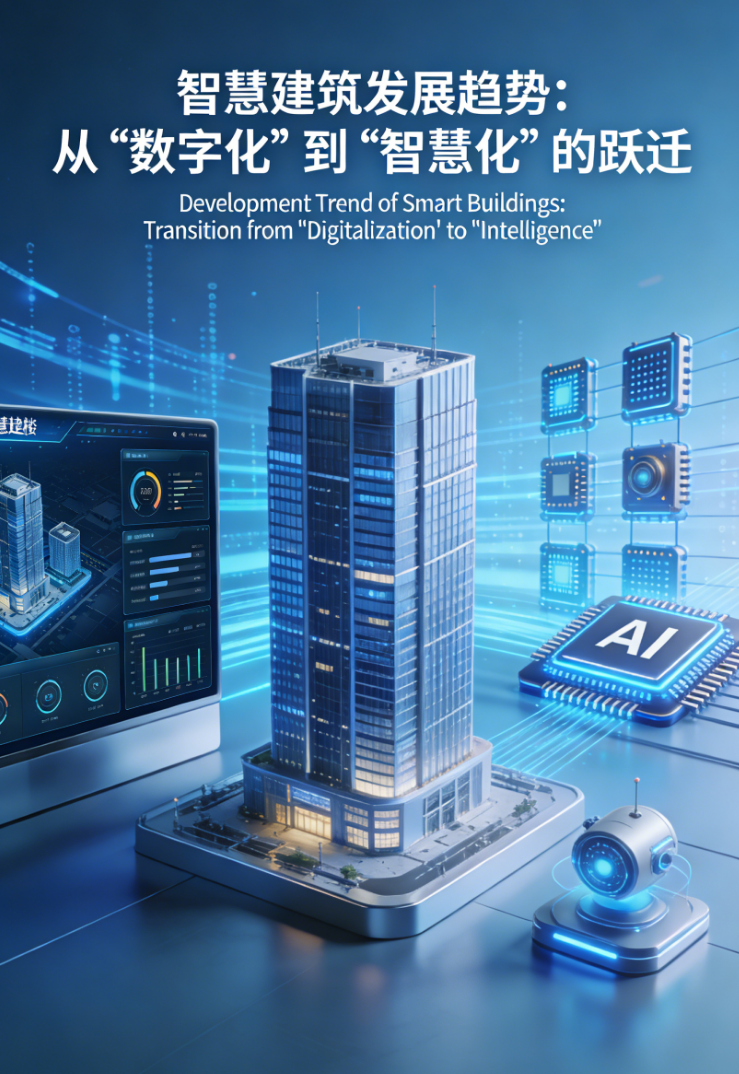
Development Trend of Smart Buildings: The Leap from "Digitalization" to "Intelligentization"
2026.03.19
Driven by both the advancement of the "dual carbon" goal and the iteration of digital technologies, smart buildings are accelerating their leap from the basic "digitalization" stage to the advanced "intelligentization" stage. As the core hub of smart buildings, the building automation system is the key carrier to realize this leap, and its development trajectory clearly shows the upgrading path of buildings from "data collection" to "intelligent decision-making". Today, the extensive management of traditional building automation systems can no longer meet the needs of energy conservation, efficiency and convenience of modern buildings. Only by relying on technological integration and promoting the transformation of building automation from digital monitoring to intelligent management and control can we truly unlock the core value of smart buildings.
More Detail
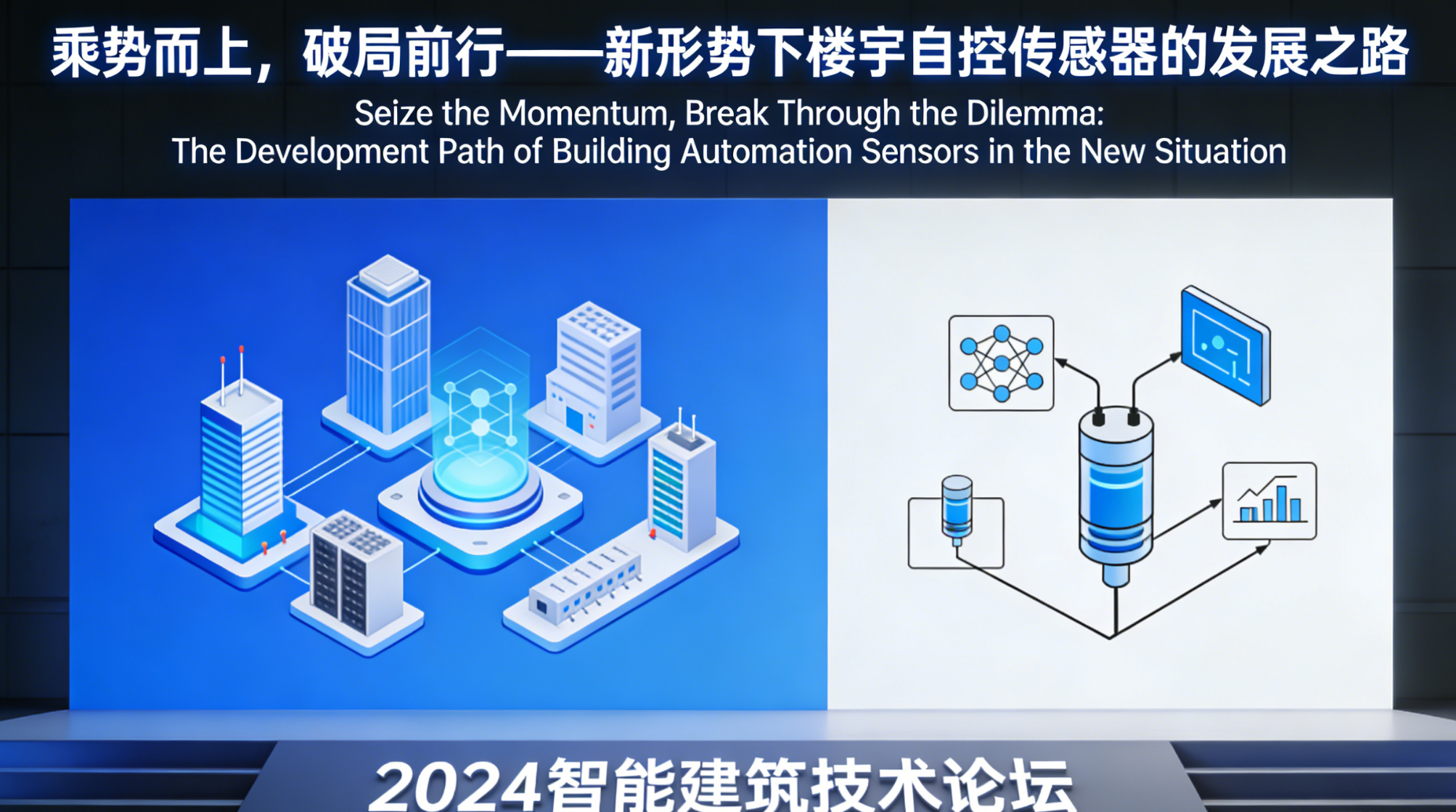
Forge Ahead and Break Through Difficulties -- The Development Path of Building Automation Sensors Under the New Situation
2026.03.16
At present, the international situation is complex and volatile, with energy security and technological competition becoming the global focus. Domestically, the "dual carbon" goal is being further promoted, and new urbanization is accelerating. As the core carrier of energy consumption and smart scenarios, buildings have an increasingly urgent demand for intelligent upgrading. As the "nerve endings" of smart buildings, building automation sensors assume the key functions of data collection and status monitoring. Under the dual background of international technological game and domestic policy guidance, they are ushering in a new stage of development with both opportunities and challenges.
More Detail
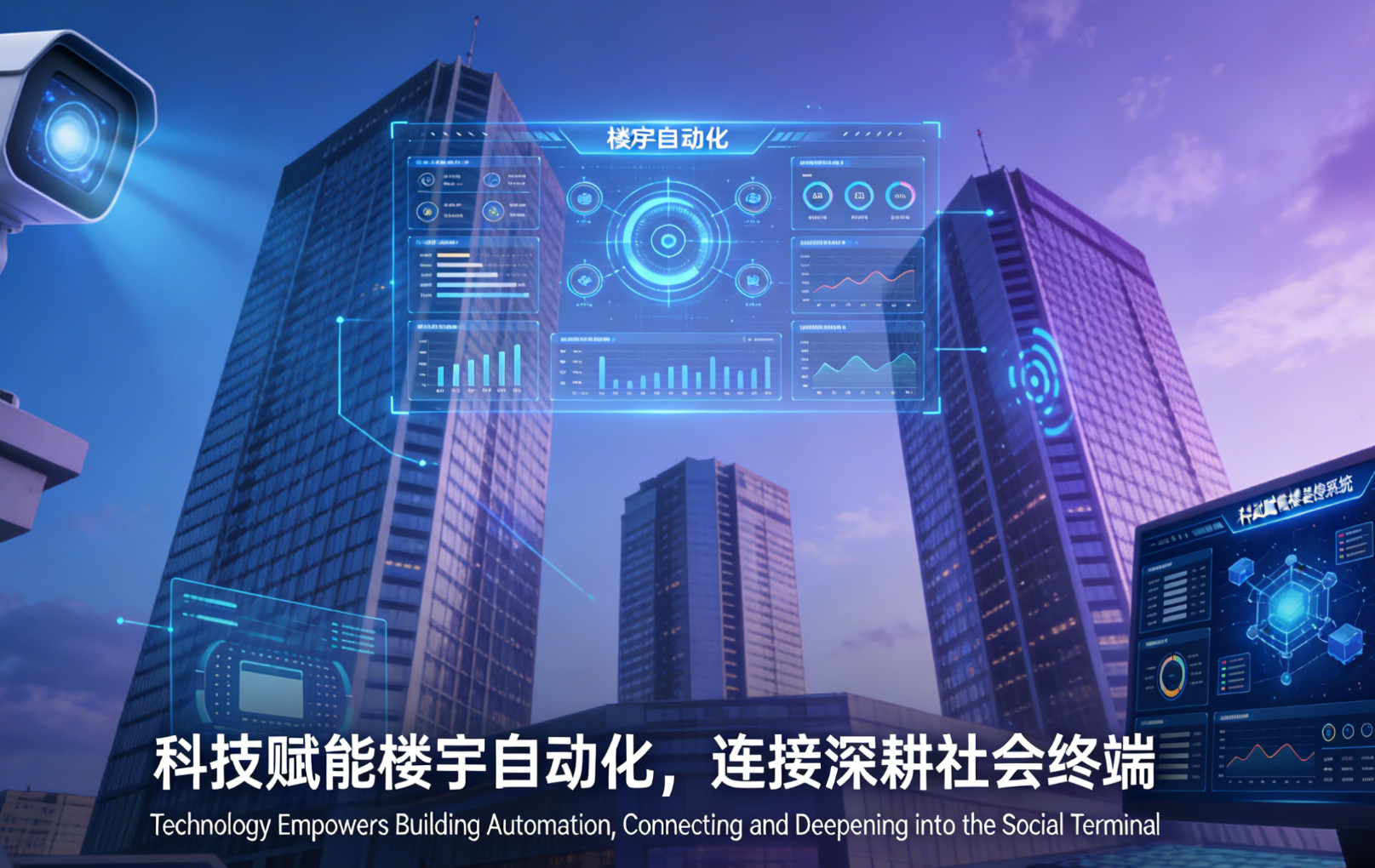
Technology Empowers Building Automation, Connecting and Deepening into the Social Terminal
2026.02.06
With the acceleration of urbanization and the advancement of the "dual carbon" goal, buildings, as the core carriers of energy consumption and social activities, their intelligent management and control level have become an important criterion for measuring the quality of urban development. Building Automation Systems (BAS) achieve refined management and control of building equipment and energy consumption by integrating sensing, algorithm and execution technologies. Today, relying on the iteration and upgrading of cutting-edge technologies at home and abroad, they are penetrating from high-end buildings to social terminal scenarios, reshaping people's life and work experience, and balancing energy-saving benefits and people's convenience.
More Detail